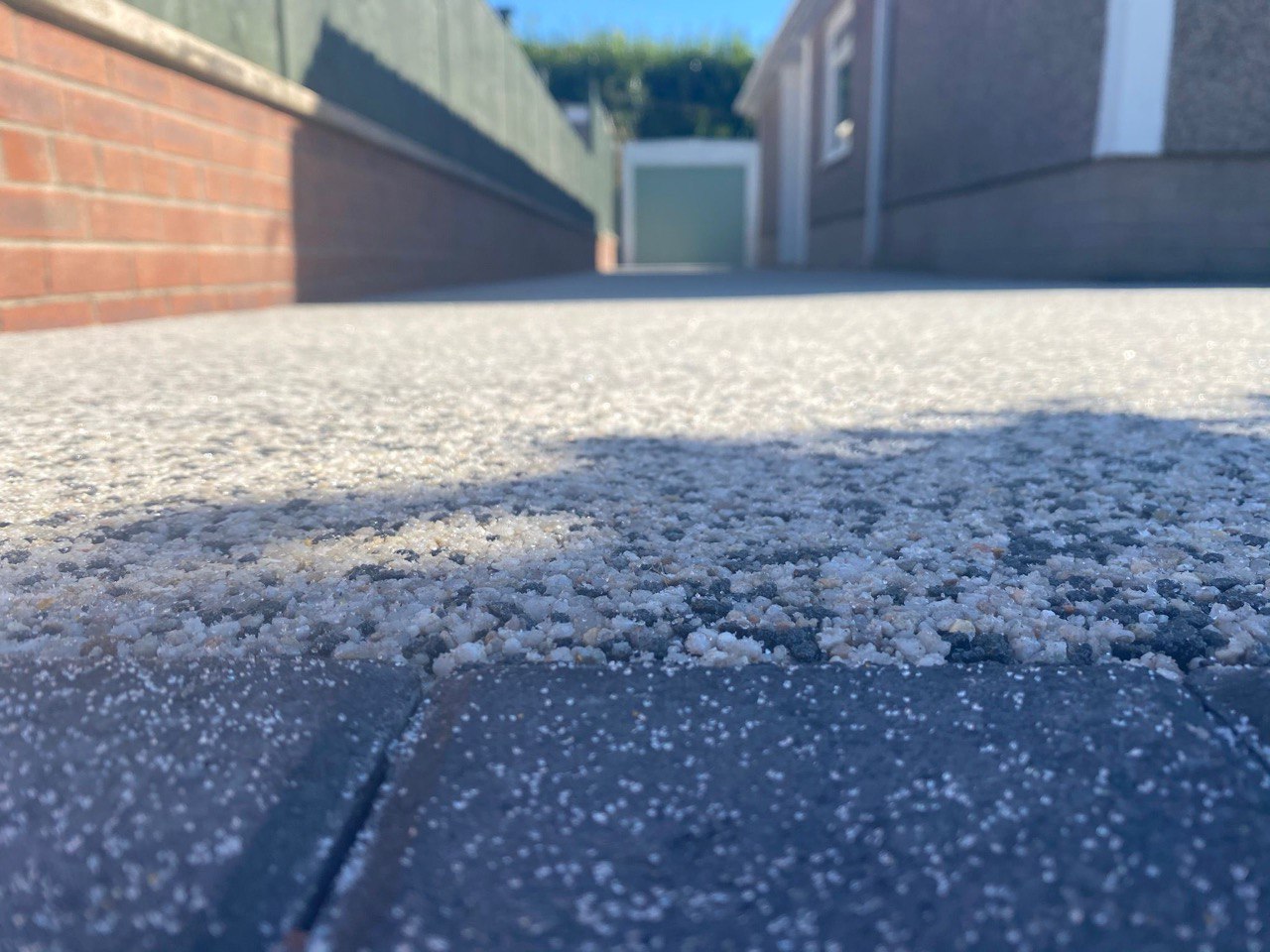
Farm Road Tarmac: How to Create Durable Access Roads for Agricultural Properties in Shefford, Bedfordshire
Reliable access roads are essential for agricultural properties, providing routes for tractors, machinery, delivery vehicles and other farm traffic. When access roads become uneven, develop potholes or struggle to drain water effectively, everyday operations can become more difficult. A properly planned tarmac surface can provide a smooth, practical route when supported by a suitable foundation and designed for the demands of the site.
For agricultural property owners in Shefford, Bedfordshire, choosing the right approach to farm road surfacing can help improve access and maintain the usability of outdoor working areas. Shefford Driveways & Patios provides professional surfacing services to help create durable, functional surfaces suited to the requirements of each property.
Why Is Tarmac Suitable for Farm Access Roads?
Tarmac is a practical surfacing option for many access roads because it creates a continuous surface that is relatively smooth and straightforward to maintain. Compared with loose materials, a properly constructed tarmac road can reduce the movement of surface material under regular traffic and provide more consistent access in changing weather conditions.
For agricultural properties, the main benefits include:
- Reliable vehicle access: A smooth surface can make it easier for cars, delivery vehicles and suitable agricultural traffic to move around the property.
- Reduced loose material: Tarmac helps limit the spread of loose stones and dust that can occur on unbound surfaces.
- Easier routine maintenance: A well-constructed surface can be easier to keep clear of debris and inspect for emerging defects.
- Defined access routes: A permanent road helps establish clear routes between entrances, buildings and working areas.
However, not every farm road is suitable for tarmac without preparation. The expected vehicle loads, soil conditions, drainage requirements and condition of the existing route all influence whether this type of surfacing is appropriate.
Planning a Durable Farm Road Surface
A long-lasting farm road starts with careful planning. Agricultural routes often experience heavier loads and more varied traffic than a standard residential driveway, so the design needs to reflect how the road will be used.
Assessing Traffic and Vehicle Loads
Before work begins, consider the types of vehicles that will regularly use the road. A route used mainly by cars and light vans has different requirements from one carrying tractors, trailers or heavy delivery vehicles.
The weight and frequency of traffic influence the strength required beneath the tarmac. Turning areas, entrances and locations where vehicles frequently stop may experience additional stress and need particular attention during the design stage.
Shefford Driveways & Patios can help assess the intended use of the access road and identify the surfacing approach suited to the property.
Preparing a Stable Foundation
The foundation is one of the most important factors in the performance of a tarmac farm road. If the ground beneath the surface is weak, poorly compacted or uneven, the finished road may develop depressions, cracking or rutting under repeated vehicle loads.
Preparation may involve removing unsuitable material, establishing the required formation and installing and compacting an appropriate sub-base. The specification should reflect the ground conditions and expected traffic rather than relying on the surface layer alone.
Good preparation helps distribute vehicle loads and provides a more stable platform for the tarmac.
Providing Effective Drainage
Water is a common cause of deterioration in access roads. When rainwater collects on the surface or enters the underlying layers, it can weaken the foundation and contribute to cracking, potholes and movement.
A suitable road design should encourage water to drain away from the running surface. This may involve appropriate gradients, crossfalls and drainage features, depending on the layout and surrounding ground.
In Shefford, Bedfordshire, farm road planning should take account of local site conditions and where runoff can be directed safely. Simply applying a new tarmac layer will not resolve persistent pooling if the underlying drainage problem remains.
Common Problems with Farm Road Tarmac
Even a properly constructed road requires monitoring, particularly where agricultural vehicles use it frequently.
Potholes and Cracking
Potholes may form when water enters a weakened surface and repeated traffic breaks down the material. Cracks can develop through ageing, movement beneath the road or stress from vehicle loads.
Small defects should be assessed promptly because water can enter through openings and accelerate deterioration. Repairs need to address the affected material and, where necessary, the underlying cause.
Rutting and Uneven Surfaces
Ruts are depressions that develop along vehicle wheel paths. They may indicate that the surface or supporting layers are not adequately resisting repeated loads.
If rutting returns after repairs, the foundation and road construction may need further assessment. Treating only the visible depression may not provide a lasting solution.
Water Pooling
Persistent standing water can indicate poor drainage, an uneven surface or settlement beneath the road. Identifying the reason for pooling is important before deciding on repairs or resurfacing.
Keeping drainage channels and outlets clear of accessible debris can help maintain water flow, but structural or grading problems may require professional attention.
Maintaining Farm Roads After Installation
Routine inspections can help identify defects before they become more extensive. Check for cracks, potholes, loose edges and areas where water remains after rainfall. Pay particular attention to entrances, turning points and sections used regularly by heavier vehicles.
Keep drainage routes clear and address defects when they first appear. Avoid allowing water to remain against the road edges, as this may contribute to deterioration of the surrounding material.
Where damage develops repeatedly, investigate the underlying cause rather than relying on surface repairs alone. A maintenance approach based on the condition of the road and its traffic demands can help preserve its usefulness.
Professional Farm Road Tarmac in Shefford, Bedfordshire
Creating a durable farm access road requires more than laying a smooth surface. Ground preparation, sub-base construction, drainage and the expected vehicle loads all affect how well the finished road performs.
Shefford Driveways & Patios provides professional surfacing services with attention to the practical needs of each site. Whether you are planning a new access route or considering improvements to an existing surface, assessing the condition of the ground and the intended use of the road is an important first step.
Conclusion
Farm road tarmac can provide a practical, durable access surface for agricultural properties when it is designed around vehicle requirements, supported by a suitable foundation and protected by effective drainage. Regular inspections and timely repairs can also help maintain the road’s condition as use continues.
If you are considering a new farm access road or need advice on improving an existing surface, Shefford Driveways & Patios can discuss suitable options for your property in Shefford, Bedfordshire. Contact the team to talk through your requirements and arrange professional surfacing advice.
Call us on: 01462 412 898
Click here to find out more about Shefford Driveways & Patios
Click here to complete our contact form and see how we can help with your driveway needs.